


|
|
|
|---|---|---|
|
||
How to Choose a Safe and Legitimate Bitcoin Casino in Canada: 2026 Complete GuideHow to Choose a Safe and Legitimate Bitcoin Casino in Canada: 2026 Complete Guide
As someone who's been following the cryptocurrency gambling scene in Canada for years, I've watched the landscape evolve dramatically. In 2026, choosing a safe and legitimate bitcoin casino requires more knowledge than ever before. The options have expanded, the technology has improved, but so have the risks. I'm writing this guide to help fellow Canadian players navigate this complex world and make informed decisions that protect both their funds and their personal information. The stakes are high when real money is involved, and the decentralized nature of cryptocurrency means you need to be extra vigilant. Throughout this guide, I'll share the essential factors I evaluate before trusting any platform with my Bitcoin, and provide you with a comprehensive framework for making safe choices in the Canadian crypto gambling market. Understanding Bitcoin Casinos in the Canadian MarketBitcoin casinos operate differently from the traditional online casinos most Canadians are familiar with. Instead of depositing Canadian dollars through credit cards or bank transfers, these platforms accept cryptocurrency—primarily Bitcoin, though most now support Ethereum, Litecoin, and other digital currencies as well. The fundamental appeal lies in faster transactions, enhanced privacy, and often lower fees compared to conventional payment methods. What sets bitcoin casinos apart is the blockchain technology underlying every transaction. When I deposit Bitcoin at a casino, that transaction is recorded on a public ledger, making it traceable and theoretically more transparent than traditional banking methods. Withdrawals typically process within hours rather than days, and I don't need to share extensive banking details with the operator. 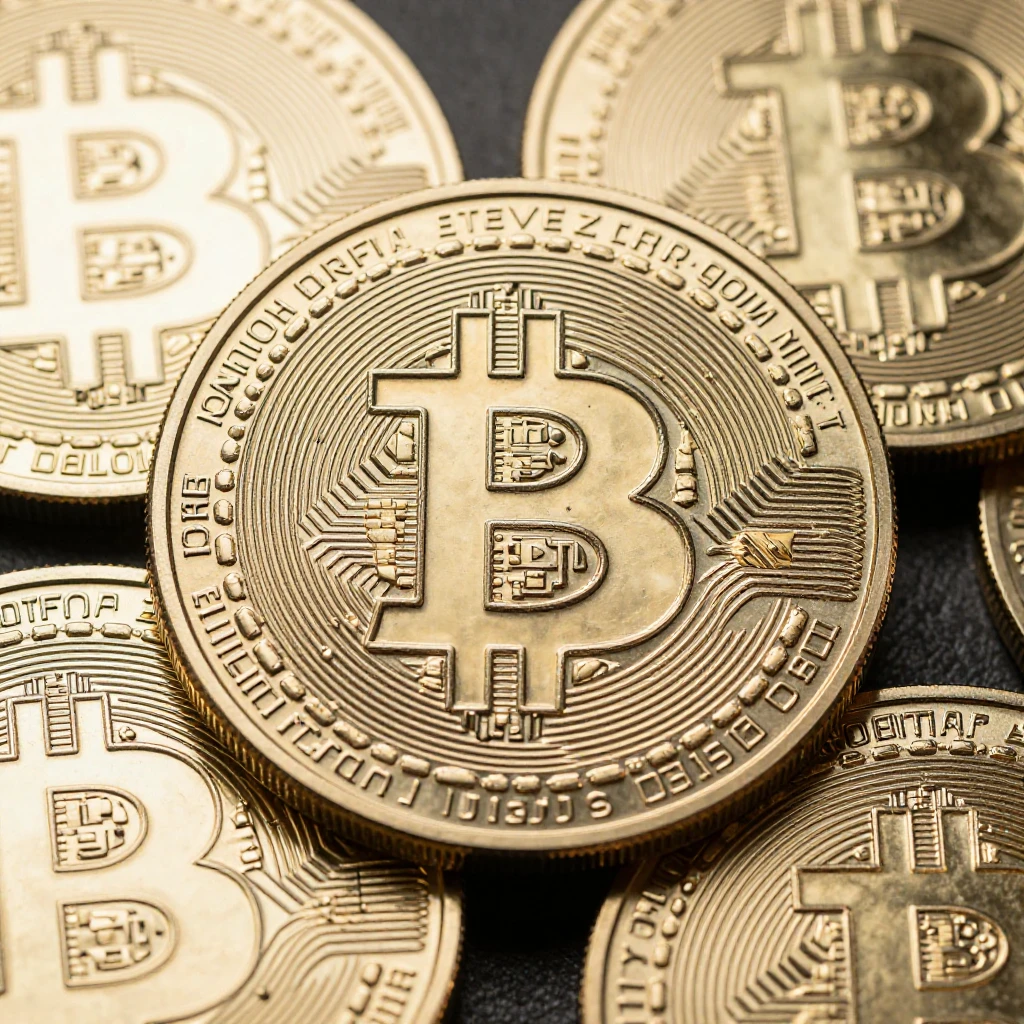
In 2026, Canadian players are gravitating toward cryptocurrency gambling for several reasons beyond just transaction speed. The weakening of traditional banking relationships with gambling operators has made crypto an attractive alternative. Additionally, the maturation of blockchain technology has addressed many early concerns about volatility and security. The Canadian crypto gambling market has grown substantially, with more sophisticated platforms entering the space and competition driving better user experiences. However, it's crucial to understand that bitcoin casinos occupy a unique position in Canada's gaming ecosystem. They're not integrated with provincial lottery corporations, and they operate on different principles than regulated domestic options. This creates both opportunities and risks that every Canadian player needs to understand before getting involved. Legal Considerations for Canadian Players in 2026The legal landscape surrounding bitcoin casinos in Canada remains complex in 2026. Gambling in Canada is regulated at the provincial level, and each province operates its own lottery corporation with online gambling platforms. However, none of these provincial operators currently offer cryptocurrency payment options, which means all bitcoin casinos serving Canadian players operate from offshore jurisdictions. This creates what I call a 'grey area' situation. It's not illegal for Canadians to use offshore gambling sites—there's no law that criminalizes placing bets on international platforms. The legal restrictions apply to operators, not players. However, because bitcoin casinos aren't licensed within Canada, they don't fall under Canadian consumer protection laws, which is a critical consideration when evaluating safety. In my experience researching this topic, I've found that Canadian authorities focus their enforcement efforts on unlicensed operators providing services to Canadians, not on individual players. That said, using offshore bitcoin casinos means you're accepting certain risks. If a dispute arises, you won't have recourse through Canadian regulatory bodies. This makes choosing a legitimate, well-established platform absolutely essential. The tax implications are another consideration. Gambling winnings are generally not taxable in Canada, but the Canada Revenue Agency has shown increasing interest in cryptocurrency transactions. I always recommend keeping detailed records of your crypto gambling activity, as the regulatory environment continues to evolve and clarification may come in future years. Essential Safety Factors When Choosing a Bitcoin CasinoWhen I evaluate any bitcoin casino, I focus on several non-negotiable safety factors that separate legitimate operations from potentially dangerous platforms. These benchmarks have been refined through years of observation and, unfortunately, some learning experiences with less reputable sites. The first element I examine is the overall transparency of the operation. Legitimate bitcoin casinos don't hide information—they prominently display licensing details, ownership information, and clear terms and conditions. If I need to hunt for basic information or find vague answers to fundamental questions, that's an immediate red flag. I also look at the platform's track record with the Canadian community specifically. How long have they been serving Canadian players? Are there consistent reports of successful withdrawals? Have they maintained stable operations through market volatility? A bitcoin casino that's been reliably operating for several years with positive feedback from Canadian users represents a significantly safer choice than a brand-new platform with no established reputation. Security infrastructure is another critical factor I never overlook. Beyond the basics, I examine how the casino handles cryptocurrency storage, what happens if the platform experiences a security breach, and whether they maintain insurance or reserve funds to cover player balances. These details might seem technical, but they directly impact whether your funds are truly safe. Licensing and Regulatory CredentialsLicensing represents the foundation of legitimacy for any bitcoin casino. In 2026, several offshore jurisdictions have established themselves as reputable licensing authorities, and I pay close attention to which license a casino holds. The most respected jurisdictions include Curaçao, Malta, Gibraltar, and the United Kingdom, each maintaining different standards and oversight levels. A Curaçao license is the most common among bitcoin casinos. While it's considered a mid-tier license, a legitimate Curaçao license still requires the operator to meet certain standards, maintain reserves, and follow dispute resolution procedures. I always verify the license by checking the license number against the jurisdiction's official registry—legitimate operators make this easy, while fraudulent sites often display fake license seals. Malta Gaming Authority licenses represent a higher tier of regulation with more stringent requirements. Casinos holding MGA licenses undergo thorough background checks, must demonstrate financial stability, and submit to regular audits. If I'm considering a bitcoin casino with an MGA license, I feel considerably more confident about its legitimacy. The key is verification. I never take a license claim at face value. I visit the licensing authority's website, search for the operator's name or license number, and confirm the license is current and valid. This simple step has saved me from several platforms claiming to be licensed when they weren't. Security Protocols and Encryption StandardsTechnical security measures are where many players' eyes glaze over, but I've learned these details matter enormously. At minimum, any bitcoin casino I use must implement SSL encryption—I can verify this by checking for 'https' in the URL and a padlock icon in my browser. This encrypts data transmitted between my device and the casino's servers, protecting sensitive information from interception. Two-factor authentication is another security feature I consider essential in 2026. This adds an extra layer of protection to my account by requiring a second verification method beyond just a password. Most legitimate bitcoin casinos now offer 2FA through authenticator apps, and I enable this feature immediately after registration. For cryptocurrency-specific security, I examine how the casino stores player funds. The safest operators use 'cold wallet' storage for the majority of player balances, keeping these funds offline and protected from hacking attempts. They maintain only a small percentage in 'hot wallets' for immediate withdrawals. Platforms that keep all funds in hot wallets expose players to significantly higher risk. I also look for casinos that allow me to set deposit and wagering limits, provide activity logs, and offer withdrawal whitelisting (where I can specify cryptocurrency addresses that are pre-approved for withdrawals). These features give me greater control over my account security and help prevent unauthorized access. Evaluating Platform Legitimacy and ReputationBeyond the technical credentials, reputation tells a crucial story about a bitcoin casino's reliability. I've developed a research process that involves checking multiple sources before trusting a platform with my Bitcoin. This multi-source approach helps me identify consistent patterns that indicate either legitimacy or potential problems. I start with established casino review sites that specialize in cryptocurrency gambling. These sites typically test platforms, verify licenses, and aggregate player feedback. However, I'm always cautious about reviews that seem overly promotional—some review sites receive affiliate commissions and may be biased toward certain operators. Community forums and Reddit discussions provide invaluable unfiltered perspectives. I search for the casino's name on Reddit's gambling-related subreddits and read what actual players are saying. Are people reporting smooth withdrawal experiences? Are there complaints about arbitrary account closures? How does the casino respond when players encounter problems? These real-world experiences often reveal more than polished marketing materials. The casino's operational history matters significantly. A platform that's been operating consistently since 2020 or earlier has weathered multiple cryptocurrency market cycles and demonstrated staying power. New casinos aren't automatically bad, but they carry higher risk simply because they lack a proven track record. If I do consider a newer platform, I start with very small deposits to test their processes before committing significant funds. I also examine the casino's response to past controversies. Every platform encounters complaints, but how they handle these situations reveals their character. Do they engage with dissatisfied players and work toward resolutions? Or do they ignore complaints and become defensive? Legitimate operators generally address issues professionally, even when they can't satisfy every complaint. Financial Safety: Deposits, Withdrawals, and FeesThe financial mechanics of a bitcoin casino tell me a great deal about its legitimacy and player-friendliness. I've learned to scrutinize every aspect of how money flows in and out of these platforms, as this is where many problematic casinos reveal their true nature. Transaction transparency is my first concern. Legitimate bitcoin casinos provide clear information about minimum and maximum deposits, withdrawal limits, and processing times. I can find this information easily in their banking section or terms and conditions. Platforms that are vague about financial policies or hide this information in complicated legal language raise immediate suspicions. Withdrawal processes deserve particular attention because this is where many players encounter problems. I look for casinos with straightforward withdrawal procedures that don't create unnecessary obstacles. Red flags include extremely high wagering requirements before allowing withdrawals, arbitrary verification demands that weren't mentioned during registration, or withdrawal limits so low that cashing out significant winnings becomes impractical. Processing times have improved considerably across the industry by 2026, but differences remain. The best bitcoin casinos process withdrawals within a few hours, though some verification procedures might extend this to 24 hours for larger amounts. If a casino consistently takes days to process cryptocurrency withdrawals—which should be nearly instantaneous from a technical standpoint—I question what's causing the delay. Fee structures vary significantly between platforms. Some bitcoin casinos absorb network transaction fees, while others pass these costs to players. I always calculate the total cost of deposits and withdrawals before committing to a platform. Hidden fees that aren't disclosed upfront represent a major warning sign about the operator's transparency and integrity. Cryptocurrency diversity is another consideration. While Bitcoin remains the primary option, many legitimate casinos now support Ethereum, Litecoin, Bitcoin Cash, and stablecoins like USDT. This variety gives me flexibility to choose currencies with lower fees or faster confirmation times depending on network conditions. Game Fairness and Provably Fair TechnologyOne of the most compelling aspects of bitcoin casinos is the concept of 'provably fair' gaming—a technology that theoretically allows players to verify that game outcomes haven't been manipulated. However, I've learned that not all implementations of this technology are created equal, and understanding how to verify fairness is crucial. Provably fair algorithms use cryptographic hashing to ensure that neither the casino nor the player can predict or manipulate game results. Before each game round, the casino generates a server seed, and I provide a client seed. These seeds combine to determine the outcome. After the game, the casino reveals the server seed, allowing me to verify that the result was determined fairly. In theory, this creates transparency impossible with traditional online casino games. The challenge is that most players, including myself initially, don't have the technical expertise to verify these calculations manually. I've learned to use third-party verification tools that check the mathematical accuracy of provably fair results. Legitimate bitcoin casinos make this verification process accessible and encourage players to check results independently. Beyond provably fair technology, I examine Return to Player (RTP) percentages for all games. Reputable casinos display RTP information clearly, showing players what percentage of wagered money is returned over time. Games with RTPs above 96% are generally considered fair, while anything below 95% raises questions about whether the house edge is too aggressive. Third-party auditing provides additional assurance. Companies like eCOGRA, iTech Labs, and Gaming Laboratories International test casino games and verify that they operate fairly. When I see current audit certificates from recognized testing agencies, I feel more confident that the games haven't been rigged in the casino's favor beyond the normal house edge. The reputation of game providers also matters. Established providers like Evolution Gaming, Pragmatic Play, and NetEnt have their own reputations to protect and generally don't allow casinos to alter their games. A bitcoin casino offering games from recognized providers adds legitimacy, while platforms featuring only unknown or proprietary games require extra scrutiny. Red Flags and Warning Signs to AvoidThrough research and observation, I've compiled a list of warning signs that consistently indicate problematic bitcoin casinos. Recognizing these red flags has helped me avoid platforms that would likely have caused financial losses or security problems. Unrealistic bonus offers top my list of warning signs. When I see promotions like '500% deposit bonus' or 'No wagering requirements on a 200% bonus,' I immediately become skeptical. Legitimate casinos operate on business models that can't sustain such generous offers. These promotions typically come with impossible-to-meet conditions buried in the terms, or they're bait from scam operations that never intend to pay out winnings. Lack of accessible contact information is another major red flag. Legitimate bitcoin casinos provide multiple contact methods—live chat, email, and sometimes phone support. If I can't find a way to reach customer service, or if the only contact method is a generic web form, I don't trust the platform. I often test customer service before depositing by asking a simple question and evaluating their response time and helpfulness. Poor or non-existent customer support during actual problems is closely related. I've learned to check review sites specifically for comments about support quality. If multiple players report being ignored when experiencing withdrawal issues or technical problems, that's a clear indication to avoid the platform. Missing or incomplete terms and conditions represent a serious warning sign. Every legitimate casino must have detailed terms covering bonuses, withdrawals, account closure procedures, and dispute resolution. If these terms are absent, extremely vague, or clearly copied from another site without proper adaptation, the casino likely isn't operating professionally. Unverifiable or fake licensing claims are particularly concerning. As I mentioned earlier, I always verify license information directly with the licensing authority. Casinos that display license seals without providing license numbers, or those claiming licenses that don't check out, are almost certainly operating illegally and should be avoided entirely. Negative player experiences form patterns that I can't ignore. A single complaint doesn't necessarily condemn a casino—disputes happen even with legitimate operators. However, consistent reports of confiscated winnings, closed accounts without explanation, or repeatedly rejected withdrawal requests indicate systematic problems that signal an unsafe platform. Technical red flags also deserve attention. A website with poor design, broken links, spelling errors, and security certificate issues suggests an unprofessional operation. While design quality alone doesn't determine legitimacy, it often correlates with the operator's overall approach to business. Professional, well-funded casinos invest in quality websites because they plan to operate long-term. Making Your Final Decision: A Practical ChecklistAfter covering all these safety factors, I want to provide you with a practical, actionable checklist that consolidates everything into a step-by-step evaluation process. I use this checklist every time I consider a new bitcoin casino, and it's helped me consistently identify safe, legitimate platforms while avoiding problematic ones. Step 1: Verify Licensing. Check that the casino displays license information prominently, note the licensing jurisdiction and license number, then verify this information directly on the licensing authority's official website. Don't proceed if the license can't be verified or doesn't exist. Step 2: Research Reputation. Search for the casino name on Reddit, BitcoinTalk, and specialized crypto gambling forums. Read at least 10-15 different player experiences, paying special attention to withdrawal reports. Check multiple review sites and look for consistent patterns in feedback. Step 3: Examine Security Features. Confirm the site uses HTTPS encryption, offers two-factor authentication, and provides clear information about how they store cryptocurrency funds. Review their privacy policy to understand how your personal information is protected. Step 4: Test Customer Support. Contact support with a question before depositing. Evaluate their response time, helpfulness, and professionalism. If support is unresponsive or unhelpful before you're a customer, it will likely be worse after problems arise. Step 5: Review Financial Policies. Read all terms related to deposits, withdrawals, and fees. Calculate the actual cost of a complete deposit-and-withdrawal cycle. Check withdrawal limits to ensure they're reasonable for your playing style. Verify that cryptocurrency withdrawal times are measured in hours, not days. Step 6: Assess Game Fairness. Look for provably fair technology on original games, check RTP percentages, and verify that the casino features games from reputable providers. Search for recent audit certificates from recognized testing agencies. Step 7: Start Small. Even after completing all these checks, I recommend starting with a small deposit to test the platform's processes. Place some bets, request a small withdrawal, and evaluate how smoothly everything operates before committing larger amounts. Step 8: Monitor Ongoing Performance. Safety isn't just about initial selection—continue monitoring your chosen casino's performance. Stay aware of any changes in policies, watch for community feedback about emerging problems, and remain prepared to withdraw funds if red flags develop. Choosing a safe and legitimate bitcoin casino in Canada in 2026 requires diligence, but following this systematic approach significantly reduces your risk. The cryptocurrency gambling landscape offers genuine advantages in terms of transaction speed, privacy, and often game variety, but these benefits only materialize when you're using a trustworthy platform. Take your time with the evaluation process, trust your instincts when something feels wrong, and never deposit more than you can afford to lose. By prioritizing safety and legitimacy over flashy bonuses or aggressive marketing, you'll position yourself for a positive experience in the Canadian crypto gambling market. |
|
|---|---|
| © Columbia World Affairs Council |
|